Physico-chemical water treatment
Often, industrial wastewater does not meet the required standards (e.g., VLAREM) for discharge – let alone reuse. Initially, the toxic components must be removed from the wastewater stream. For this, there are numerous physicochemical water treatment techniques.
The physico-chemical water treatment techniques are used as pretreatment, final treatment or as specific treatment regarding reuse as process water.
What physicochemical techniques are used in water treatment?
The type of water treatment depends primarily on the size of the particles present in the wastewater. Solid particles visible to the naked eye can be removed in three, relatively easy ways. These particles are removed by filtration, flotation or sedimentation. The fine suspended particles (<1 µm) are more difficult to remove. These types of particles can only be removed by physico-chemical water treatment techniques.
Our method consists of conducting lab tests with the wastewater. In this way, the most appropriate techniques can be determined in advance.

TASK proves time and again that we take all constructions and placements very seriously by meeting the required standards and obtaining the necessary certificates. We are therefore the right partner for carrying out your installation.
Coagulation and flocculation
This technique is used for contaminants that do not settle on their own, e.g., colloidal particles. The addition of coagulants causes the destabilization of colloidal particles. This causes flocculation of the particles, which can be further enhanced by adding flocculants. The floccules can then be separated in the next step. That step can be done, for example, in a flotation.
Flotation
Flotation is a technique that provides separation of suspended solids, oils, greases and other undissolved particles. This technique can be used as pretreatment for further treatment or as sole water treatment method. The most commonly used flotation technique is Dissolved Air Flotation (DAF), in which air is dissolved under pressure in the water to be treated. The very fine bubbles thus formed bind with the floc particles in the water. The floc particles rise to the water surface and form a floating layer. The floating layer is scraped off and collected in a container. The sludge can then be further thickened and/or dewatered.
The great advantage of this type of installation is that it can be fully automated, making it very maintenance-friendly.
Neutralization
Essentially, one is going to neutralize wastewater (pH +- 7) to make it suitable for further degradation in a biological wastewater treatment plant or to meet discharge standards.
Neutralization is a technique used on a wide variety of wastewaters. This type of installation is quite simple. It is a fairly compact set of storage and reaction tanks with the necessary dosing and mixing equipment. Moreover, they can be fully automated and are thus maintenance-friendly.
Membrane filtration
Membranes can be very versatile in water treatment. Membranes are used for, among other things: deferrization, softening and demineralization. We also offer water recovery plants where membranes are used.
Sludge Processing
In many cases, sludge remains as a residual product after the physical-chemical water treatment process. In most plants, the sludge is removed by third parties. Therefore, it is economically important to keep the volume of sludge as small as possible. One method for dewatering sludge is the chamber filter press. The sludge is pumped under increasing pressure into a closed space or chamber. After pressing, the chambers open back up and the solid filter cakes fall out of the chambers. Optionally, the presses can be equipped with a high-pressure spray system to clean the cloths.
These techniques are used to remove, among other things:
heavy metals
suspended substances, emulsifying substances
persistent substances
oils and fats
organic and inorganic substances (e.g., phosphorus, salts)
toxic pollutants


How do we work?
When you contact us about a water problem, we will work with you to determine the nature of the contamination.
We take the necessary measurements and tests.
We propose a customized solution.
We install and commission the system.
We provide the necessary maintenance afterwards or train maintenance personnel on site.
If the source of pollution changes (e.g., due to changes in the production process), we optimize the wastewater treatment plant as needed.
Our solutions
Whether it is a completely new installation, or retrofit or optimization of an existing installation, we offer you a correct solution, with an optimal price-quality ratio. Our installations are always seamlessly integrated into the existing situation of each production site. We aim for durable, low-maintenance and correctly dimensioned installations.
In addition, we provide thorough on-site training for maintenance personnel to ensure that the water treatment plant continues to run smoothly over the long term. Should problems nevertheless arise, we are always on standby for prompt intervention.
Various companies from very different sectors ranging from waste processing to food industry, from automotive industry to textiles, from animal feed producers to pharmaceutical industry, from metal processing industry to chemical-petrochemical industry, etc. have already called upon our expertise for the construction of wastewater treatment plants. For all the above-mentioned specializations, we can present one or more references.
Featured Projects
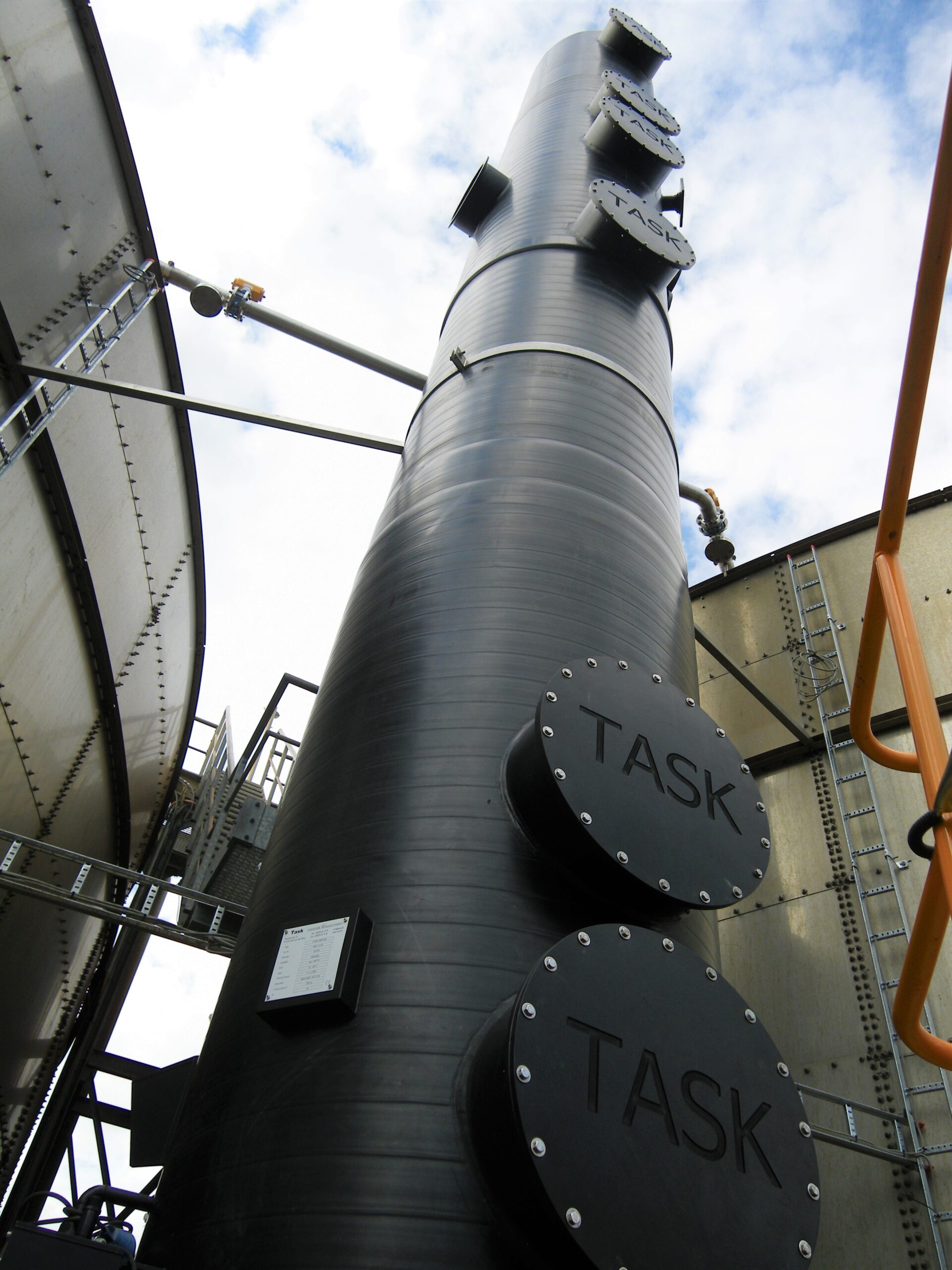
Gas scrubber for phenol
This scrubber is used to remove phenol from air.
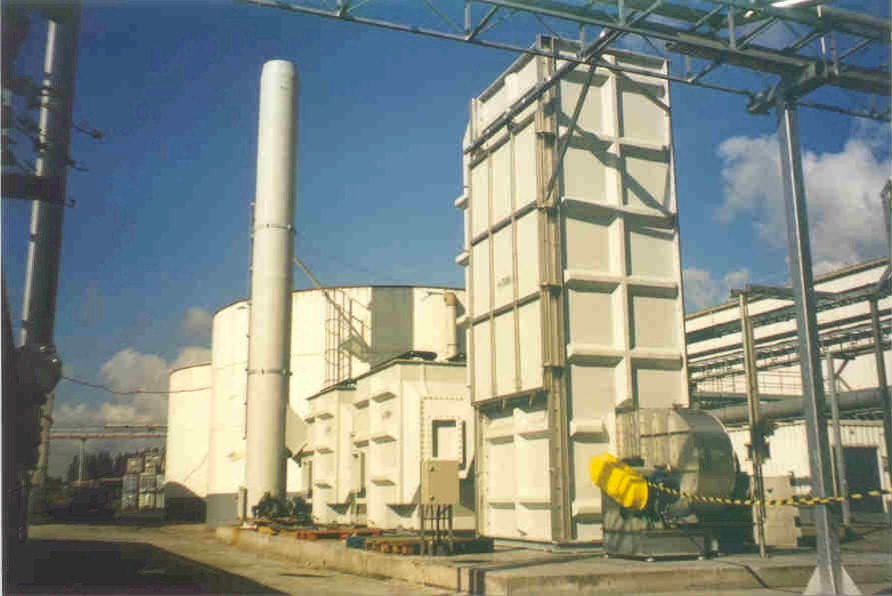
Odour control waste processing industry
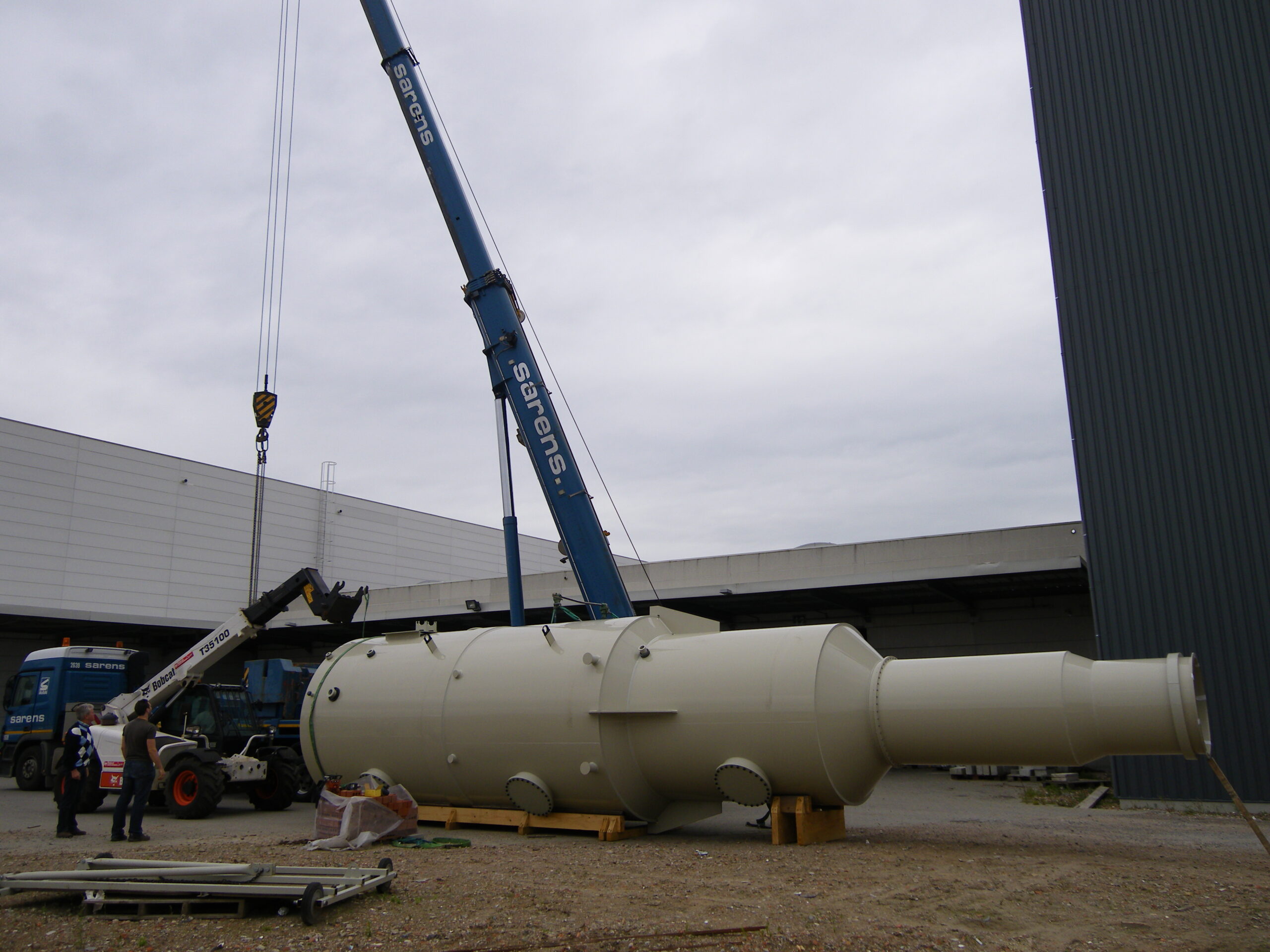
Gas scrubber for ammonia at fertilizer producer
Task supplies gas scrubbers for the removal of ammonia from air from the production process at a fertilizer producer. Discover our solutions.
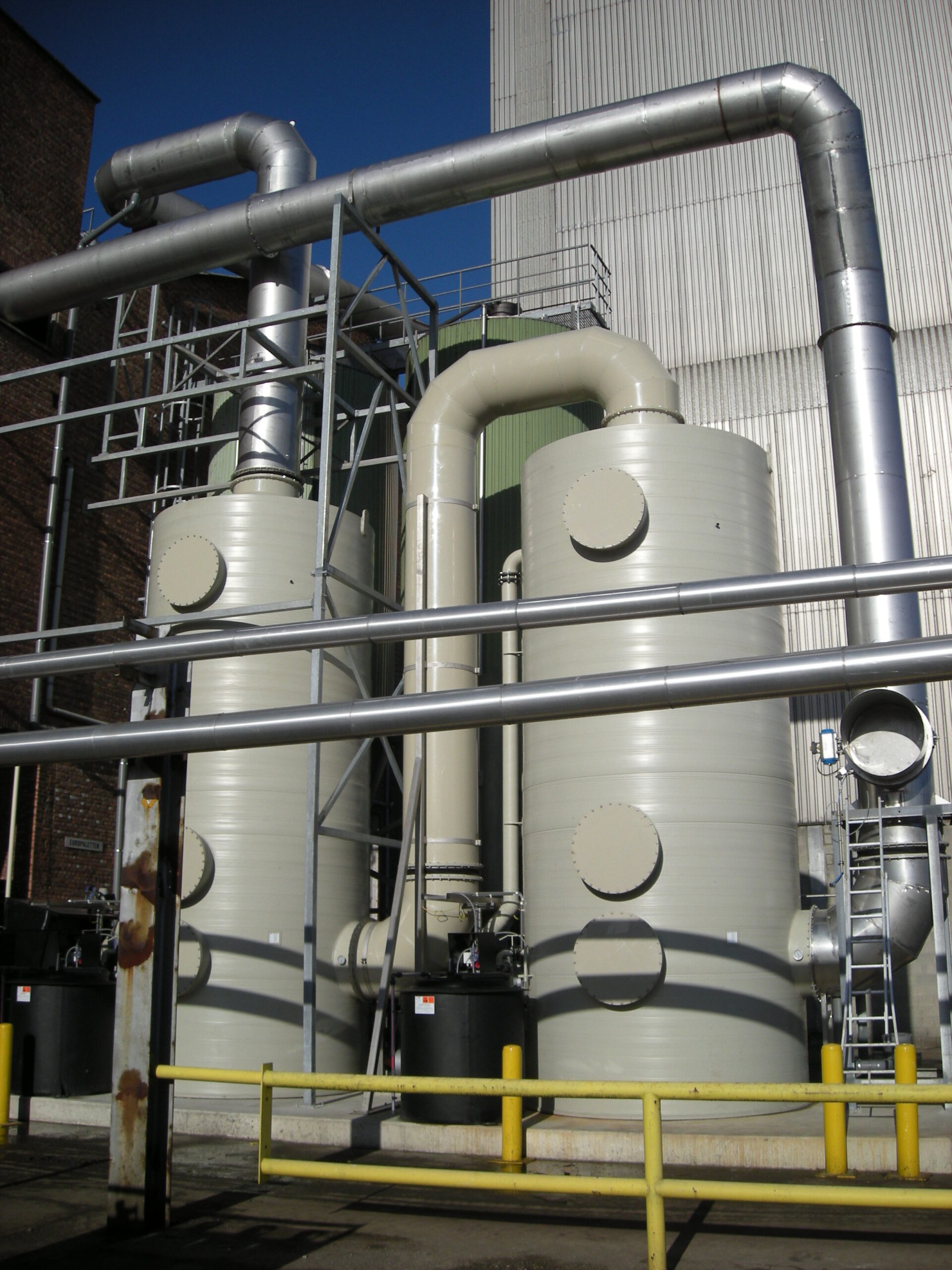
Odour treatment in pet food industry
TASK installed a two-stage scrubber at BK Petfood Products to purify 35,000 m³/h of process air and reduce odour nuisance.
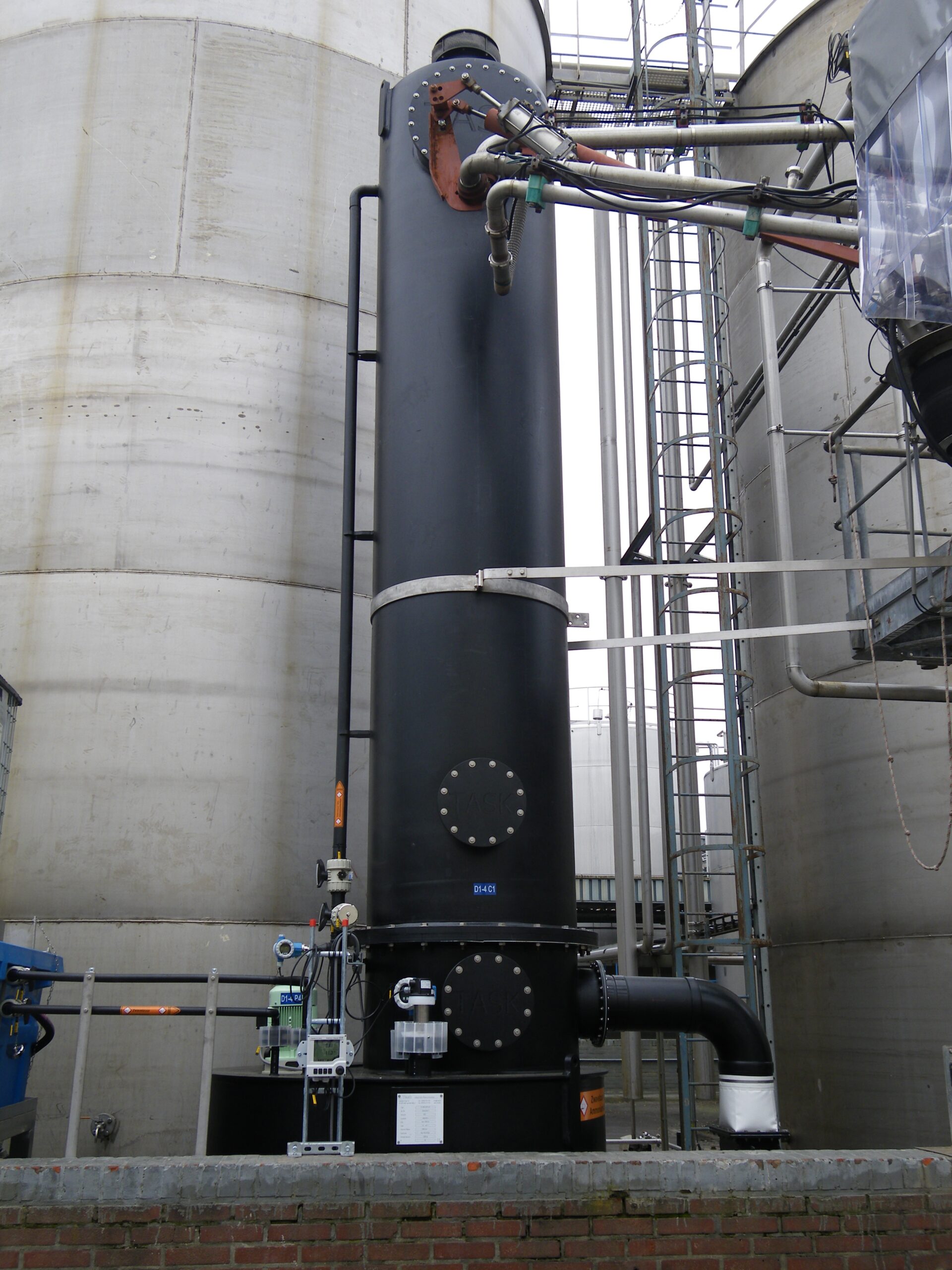
Gas scrubber for ammonia in chemical industry
Our gas scrubbers remove ammonia vapours from air coming from ammonia storage tanks in the chemical industry.

Odour treatment in waste treatment
TASK offers odour treatment for waste treatment with chemical gas scrubbers. Our solutions are durable, low-maintenance and simple.

Odour control in oil production
TASK offers industrial odour treatment for oil mills with gas scrubbers. Our solutions are efficient and compliant with VLAREM emission standards.
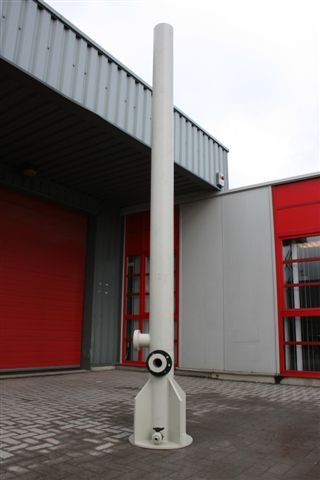
Gas scrubber for storage tank of ammonia
Task supplies quality, compact gas scrubbers for treating ammonia vapors from storage tanks. Discover our efficient solutions.
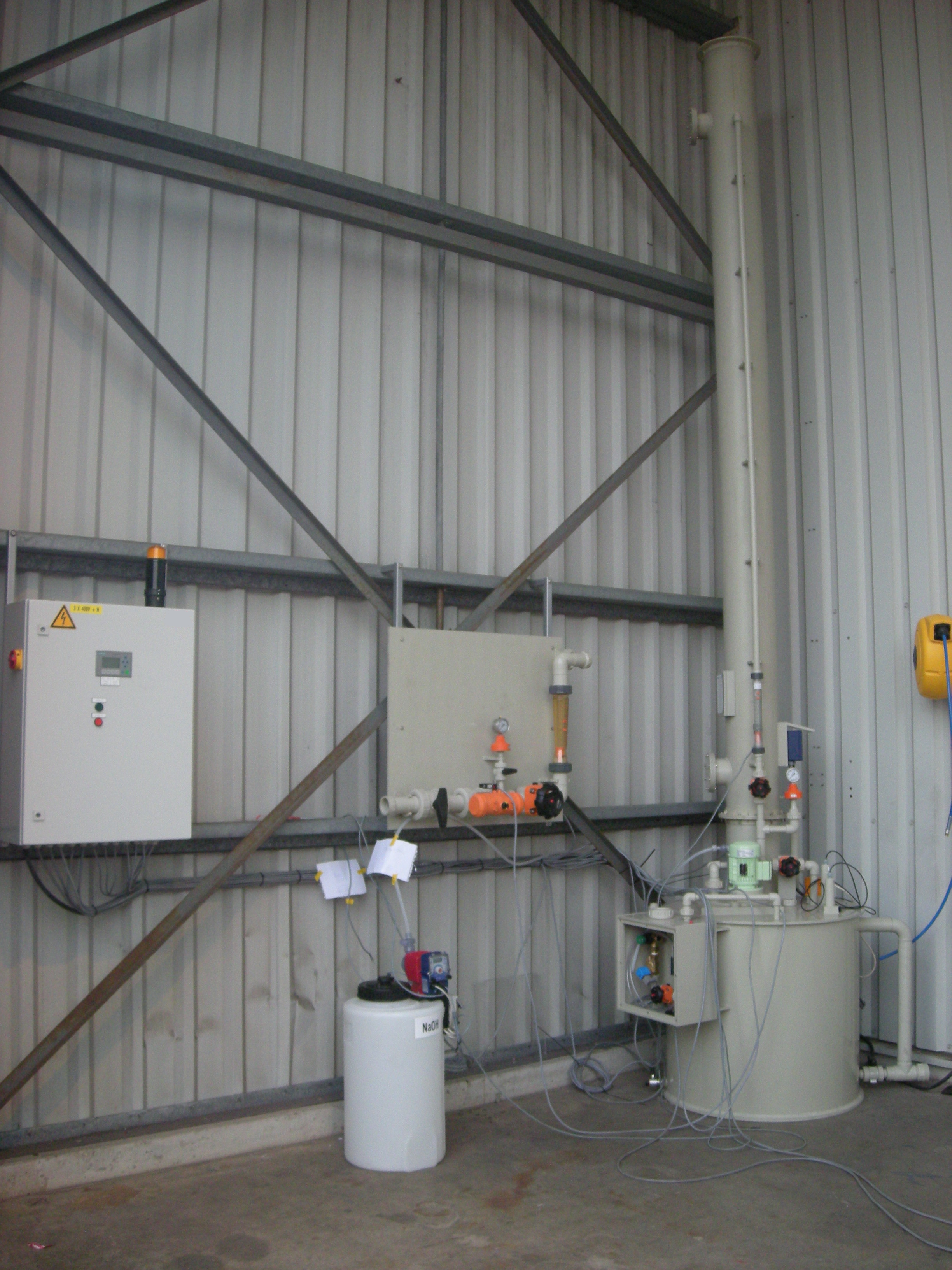
Scrubber tankcleaning
Task Industrial Environmental Technologies delivered a compact scrubber to Antwerp Tank Cleaning NV for the treatment of acid fumes originating from tank trucks.
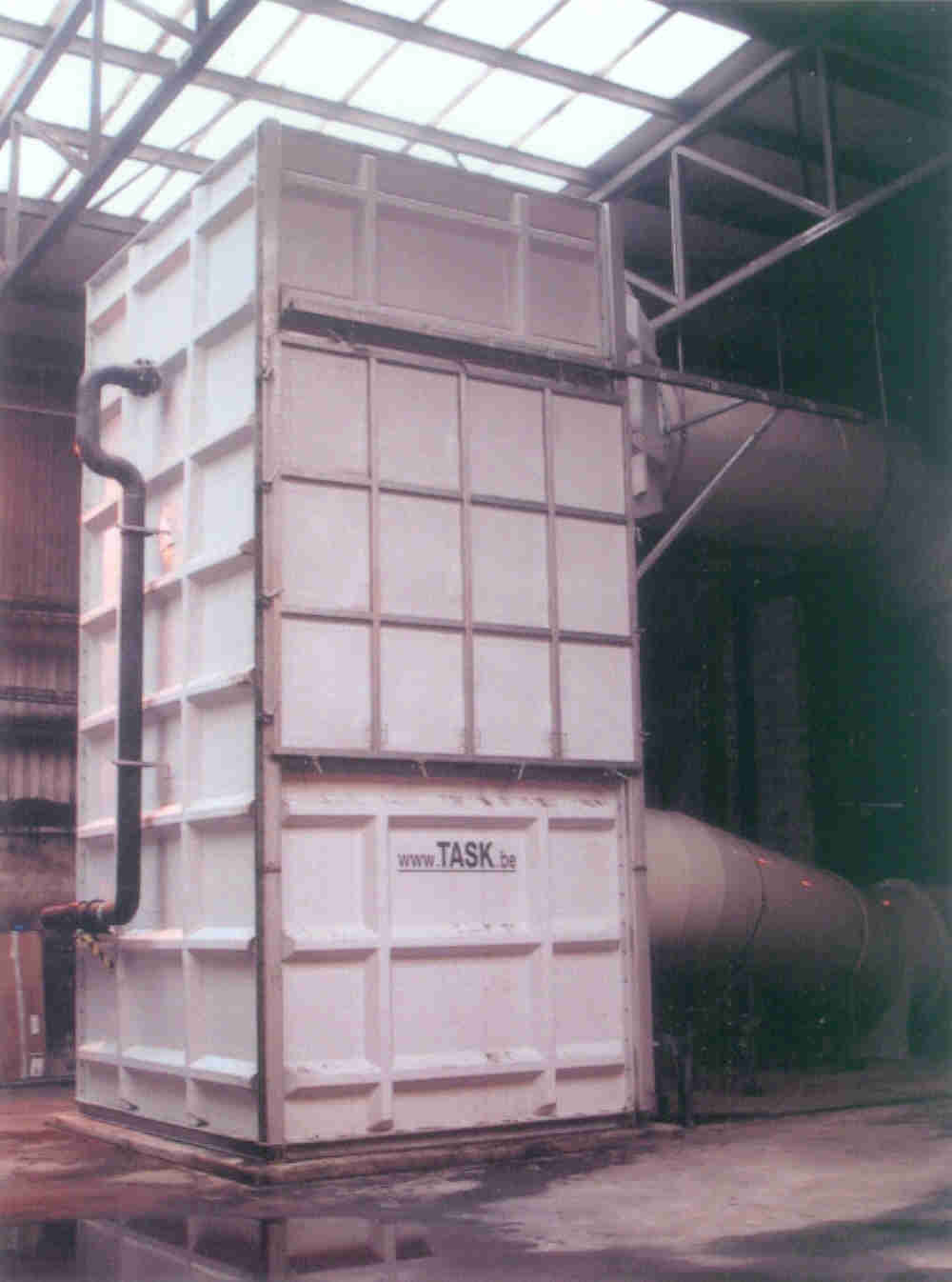
Odour treatment industrial composting
Task BV realised an odour treatment for 120,000 m³/h composting air for Indaver in Grimbergen. Efficient, maintenance-friendly and sustainable.
Roto-Sieve Drum Sieve

Receiving installation for septic material

Oil separators
Jet aeration

Would you like more information or a quote?
Talk to us about your problem. We will take the time to go over your project together. Our many years of experience allow us to quickly work out the right solution to your problem.
"*" indicates required fields