Biofilter
A biofilter removes odour and dust from the air using microorganisms. A biofilter can be used in numerous industries. TASK has extensive experience in designing biofilters. A biofilter is one of the simplest and cheapest odour control devices available.
However, for a properly functioning biofilter, quite a few conditions must be met.
How does a biofilter work?
Biofiltration usually uses a filter fill consisting of biological material. This filter fill is placed in the biofilter in a well-defined mixing ratio, or in several layers. Some examples of filter filling:
- tree bark
- compost
- peat
- heather
- coir
- root wood
- expanded clay granules
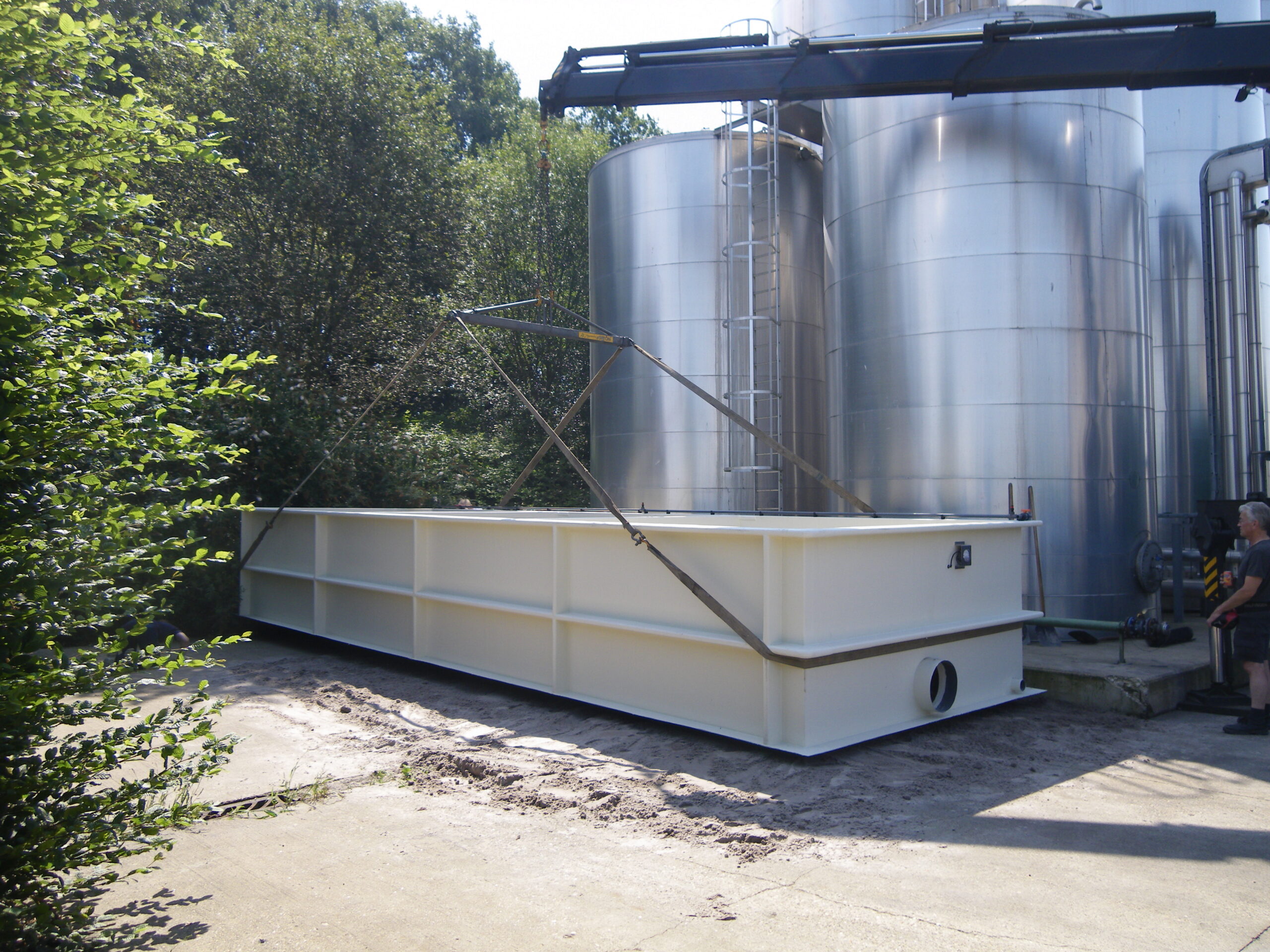
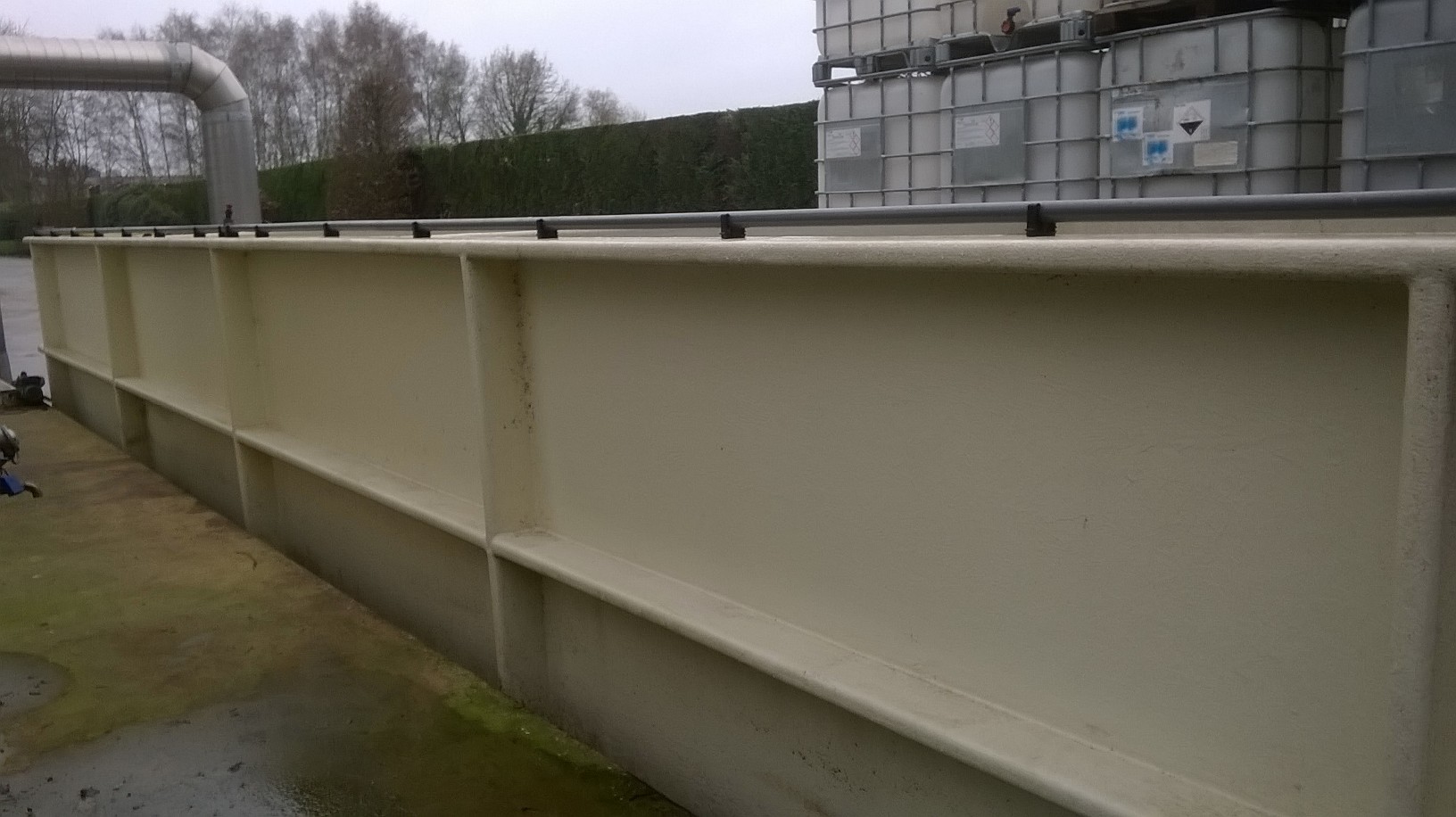
This natural “filter bed” or biomass is contained in an open or closed filter casing. This filter filling is surrounded by a thin water film. Some of the contaminants from the gas stream already dissolve in the water film. The remaining part of the contaminants is retained on the filter material and further degraded by the microorganisms in the filter bed. The microorganisms feed partly on the remaining pollutants, partly on the filter material itself. The residual products of these degradation processes areCO2,H2O, sulfate, nitrate and the like.

TASK proves time and again that we take all constructions and placements very seriously by meeting the required standards and obtaining the necessary certificates. We are therefore the right partner for carrying out your installation.
What are the benefits of a biofilter?
- Simple construction
- Low investment cost
- Good result for biodegradable components in relatively low concentrations (polishing technique)
Are there any drawbacks to a biofilter?
- Takes up a relatively large area
- Filter refill must be changed regularly
- Humidity and pH should be closely monitored
- Continuous aeration necessary
Applications of biofiltration
Water treatment
Agribusiness and agriculture
Composting
Food industry
Meat and fish processing industry
Parameters for proper operation of a biofilter
Constant humidity: Maintaining an optimal moisture content in the biomass is an essential condition for the proper functioning of a biofilter. With too much moisture, the biomass can clump together, air resistance increases and oxygen content decreases. In turn, the filter becomes a source of odour nuisance instead of controlling odour nuisance.
Constant air supply: Emissions must be offered relatively continuously. If only 7-8 hours/day of off-gas is produced, a biofilter will not be able to provide a solution. The bacteria in the biofilter cannot do without a constant oxygen supply. In addition, the airflow offered must be dust and grease free.
Constant temperature: 15 to 25°C is ideal for proper functioning of the microorganisms. Lower temperatures slow down the functioning, higher temperatures unbalance the entire biomass.
Constant load: A fairly low load does not pose a problem as such and will only translate into high removal efficiency. Excessive and/or peak loads will accelerate biomass clogging, resulting in reduced removal efficiency.
No toxic and/or acidifying components: Highly toxic compounds kill microbiology. Excessive concentrations of sulfur-, chlorine- and nitrogen-containing organic compounds and ammonia lead to acidification and reduced biofilter efficiency. This can be partially counteracted by adding certain additives to the biomass, by replacing the biomass more frequently or by incorporating a chemical scrubber.
Adapted biomass: The biomass must be adapted to the offered off-gas flow. It should be neither too fine nor too coarse, the air should be nicely evenly distributed over the filter. The fill should be coarse enough to create a sufficiently large exchange surface, but should also contain enough organic material for microbiology. Additives such as lime and dolomite can prevent premature acidification. For certain specific applications, it may make sense to use more specific bacteria. In all cases, the biomass must be replaced periodically, depending on the degree of acidification and salinization and the pressure drop across the filter.


How do we work?
When you contact us for a problem with contaminated air, we will work with you to determine the nature of the contamination.
We take the necessary measurements and tests.
We propose a customized solution.
We install and commission the system.
We provide the necessary maintenance afterwards or train maintenance personnel on site.
If the source of pollution changes (e.g., due to changes in your production processes), we will optimize the air purification system as needed.
Featured Projects

Biofilter for odour treatment in WWTP
A biofilter is used in this sewage treatment plant for effective odour treatment. The biofilter degrades odour components originating from wastewater.

Repair and refill of biofilter

Odour control



Odour nuisance agriculture
Biogas desulfurization
News
Heat recovery from effluent
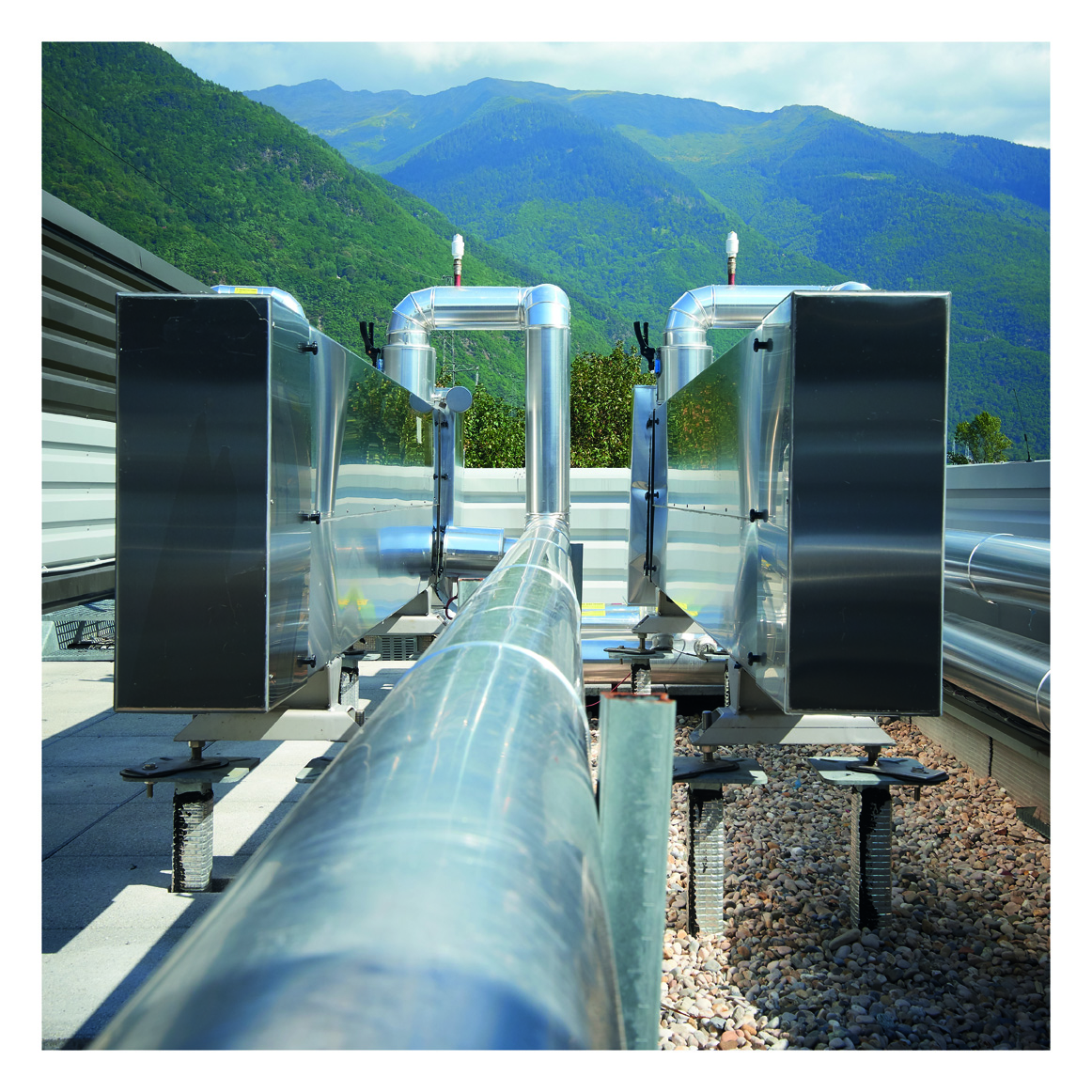
Effluent from wastewater treatment plants often still contains precious heat. This heat can be recovered by means of heat exchangers.

Visit us at Aqua Nederland

Heat exchangers for the US biogas market

Heat exchangers in Europe’s largest wastewater treatment plant

One of the largest gas scrubbers in Belgium
Water reuse in slaughterhouse

Roto-Sieve in plastic recycling
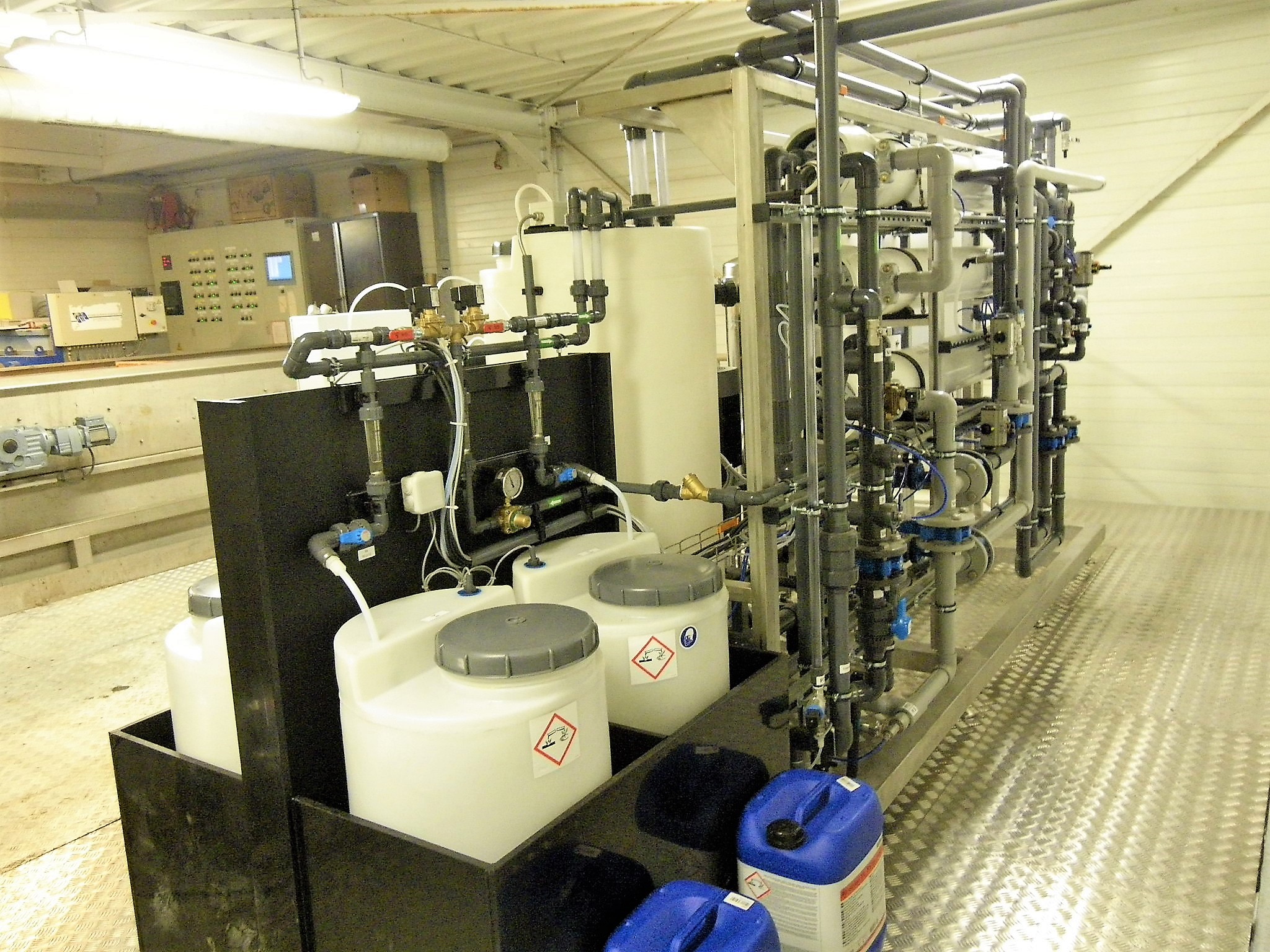
Water reuse for industry
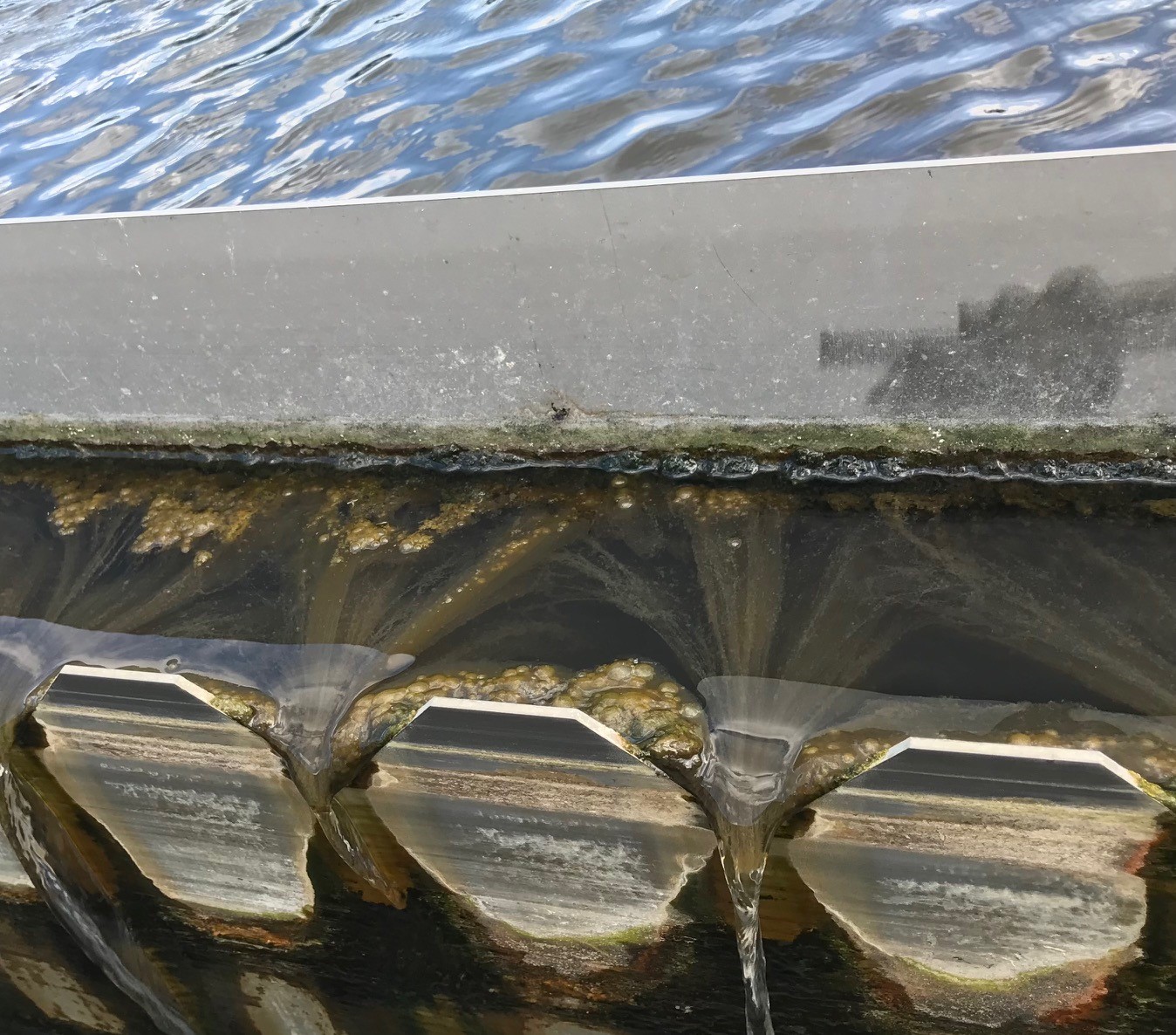
Biorotor
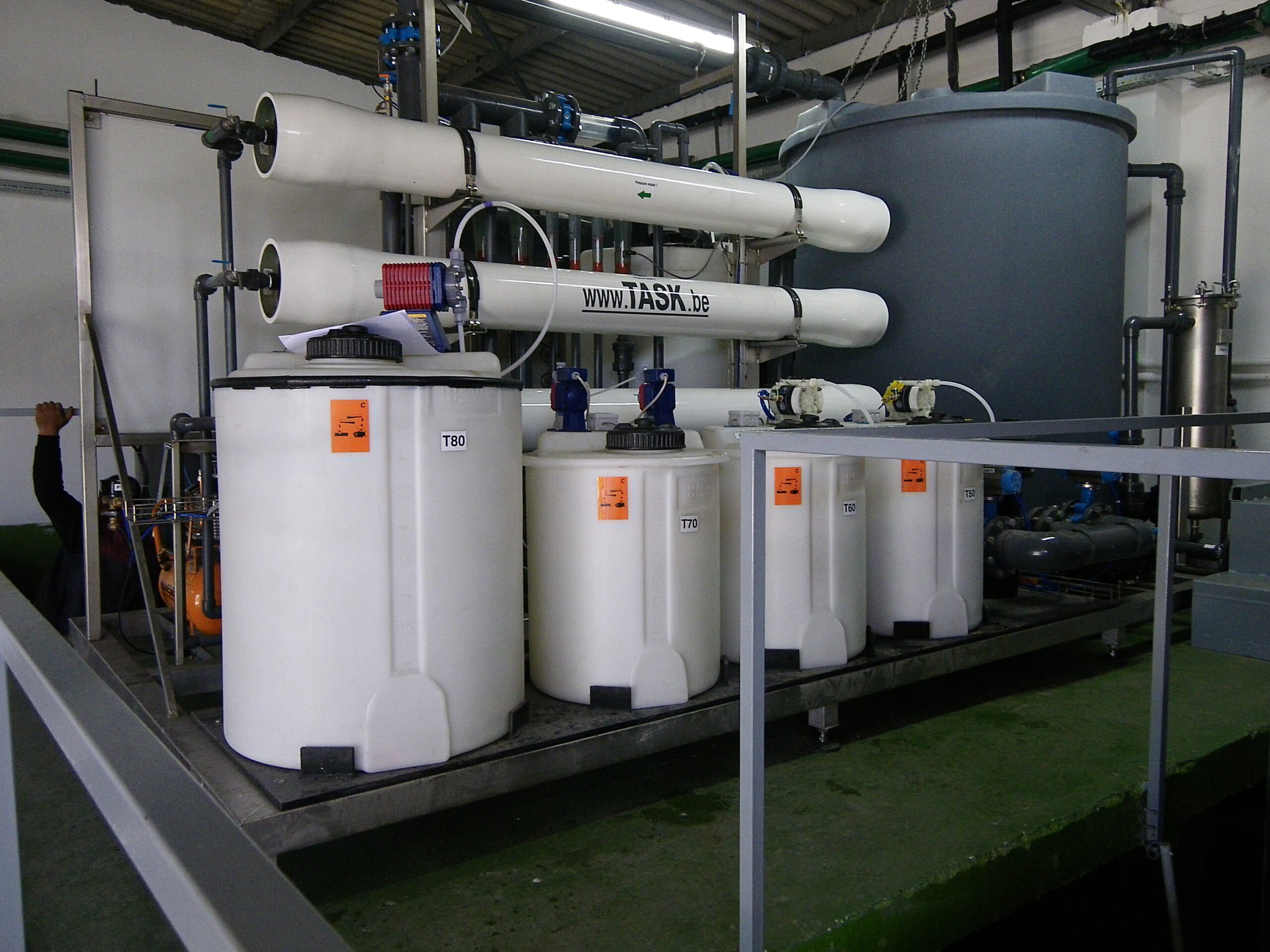
Oil emulsion removal with membranes
Would you like more information or a quote?
Talk to us about your problem. We will take the time to go over your project together. Our many years of experience allow us to quickly work out the right solution to your problem.
"*" indicates required fields